Created at 2025/07/18 2:36 PM
◈ Mini-Memetic Profile
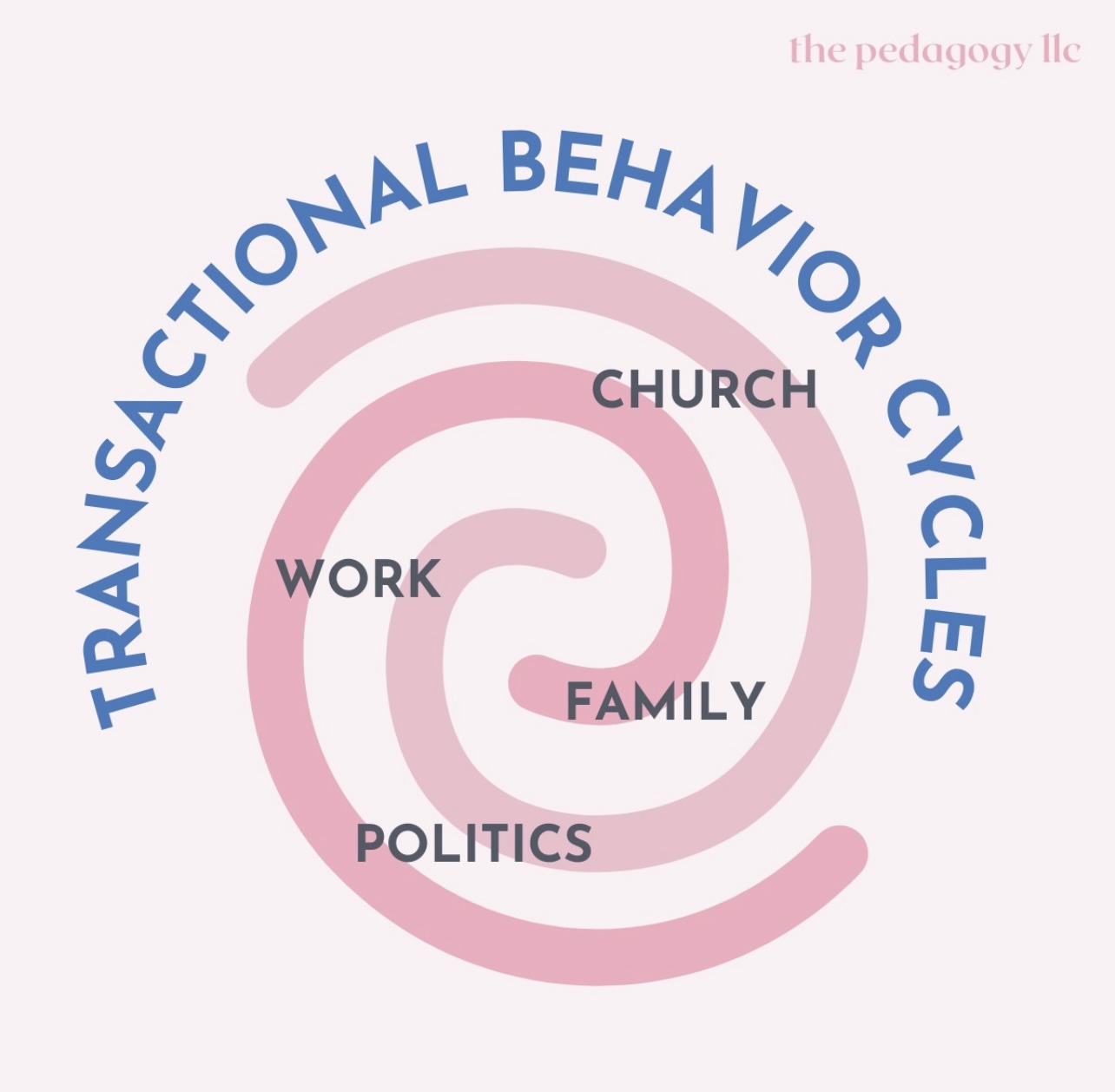
Title: Trapped in the Spiral: Institutional Performance Loops
∴ Core Idea Unit
- Life in modern society is dominated by transactional behavior cycles across institutions (work, church, politics, family), which mold identity through repetitive, performative roles.
- Escape or authenticity is difficult within systems that reward conformity and role maintenance.
▲ Identity Play & Roles
- User as Disillusioned Insider — someone who sees the performance but continues playing the roles.
- Hints of the Awakened Outsider — aware of the artificiality but unsure how to exit.
- Subtext invites the Seeker archetype — looking for meaning beyond institutional scripts.
≈ Emotional Triggers
- Resignation — evokes fatigue with endless cycles of obligation.
- Recognition — validation of private dissatisfaction with public roles.
- Alienation — highlights a gap between true self and institutional identity.
𐂷 Spread Mechanics
- Distribution Vectors: Social media (Instagram, Threads, Tumblr, Twitter), self-help or deconstructionist spaces.
- Propagation Style: Visual metaphor, subdued aesthetic; spreads through resonance, not aggression.
- Not a meme for laughs—more a soft punch to the psyche.
⛨ Defense Reflexes
- Implicit Critique Shield — doesn’t attack institutions directly; uses metaphor to bypass defenses.
- Emotional Authenticity — hard to argue with someone’s felt experience of burnout or disillusionment.
- Irony-Free Zone — sincerity makes it less vulnerable to irony or mockery.
☷ Memeplex Anchor Points
-
AntiInstitutionalism
-
TherapyCulture
-
BurnoutDiscourse
-
PostReligiousIdentity
-
QuietQuitting / #AntiWork
- Late-stage capitalism critiques
- Existentialist and postmodern framings of identity
✶ Sticky Symbols or Quotes
- Spiral — visual shorthand for entrapment, repetition, psychological loops.
- Transactional — loaded term evoking cold calculation in spaces meant to be warm (family, church).
- Behavior Cycles — frames human action as pre-programmed and self-reinforcing.